

Call us now
07971190475
Call us now
07971190475
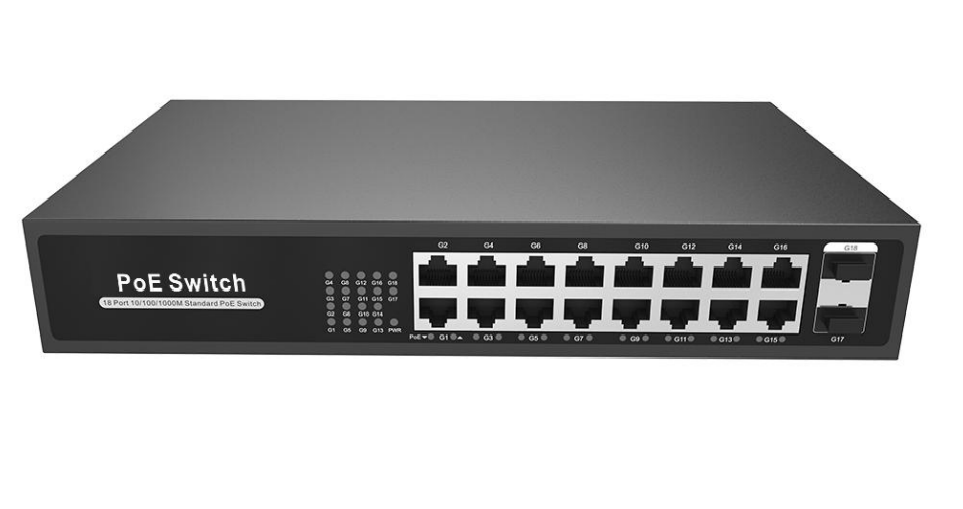
TheSTS-16P-UPSis an unmanaged PoEswitch.Ithas16*10/100/1000M adaptive RJ45 ports and 2*1000M uplink SFP ports. Port 1-16 can support IEEE 802.3 af/at PoE standard. Single port PoE power is up to 30W, and the max POE output power is 250W. As a PoE power supply device, it can automatically detect and recognize the power-receiving equipment that meets the standard and supply power through the network cable. It can supply power to POE terminal equipment such as wireless AP, IP camera, VoIP phone, video access control intercom, etc. through a network cable to meet the network environment that needs a high-density PoE power supply. It is suitable for hotels, campuses, factory quarters, and small and medium-sized enterprises to form an economy-efficient network. Unmanaged model, plug and play, no configuration, easy to use.
| Minimum Order Quantity | 5 Piece |
| Number of Ports | 16-Port Unmanaged Switches |
| Brand | STS |
| Model Name/Number | STS-16P-UPS |
| Network Type | 1000 BASE |
| Dimensions | 270*181*44.5mm |
| Warranty | 1 YEAR |
| Weight | 1.7 TO 2.2 KG |
| Power Consumption | Standby<15W, Full Load<240W |
| Country of Origin | Made in India |

Price:
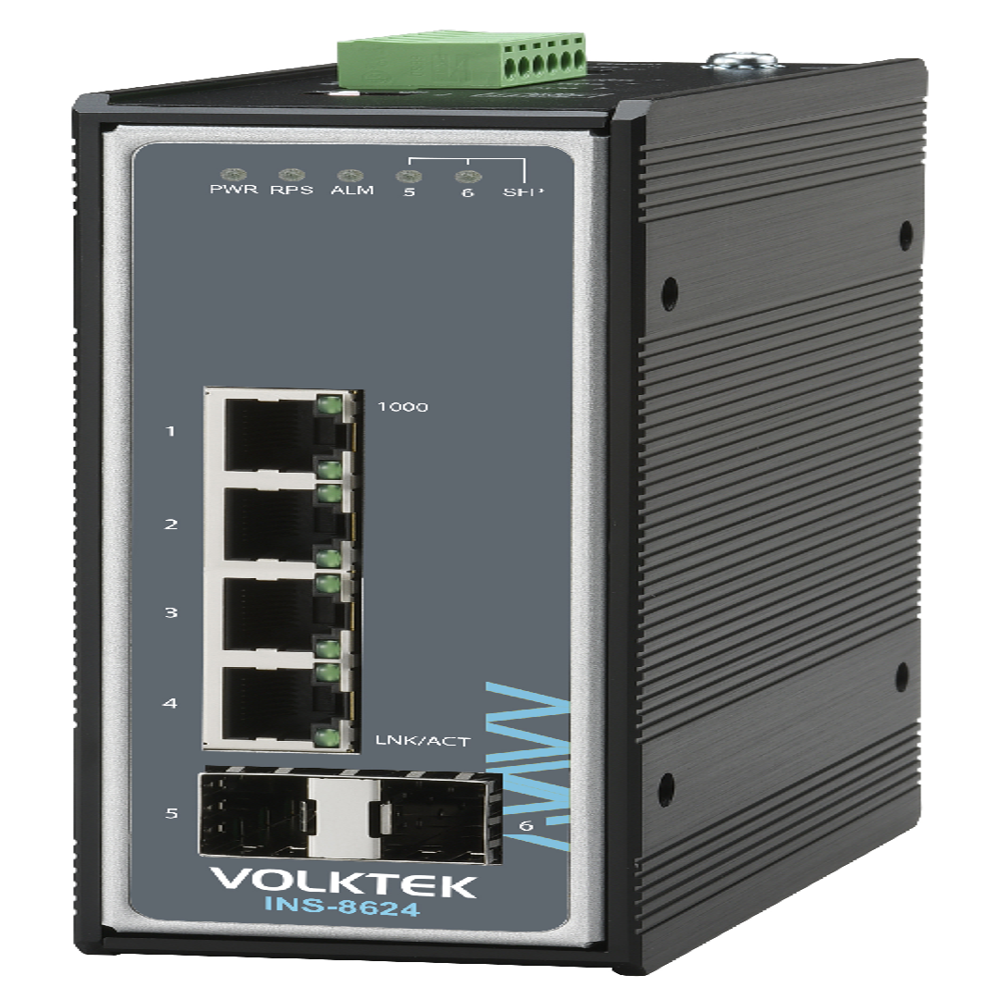
Price 35000.0 INR / Piece
Minimum Order Quantity : 1 Piece
Color : Red
Product Type : Industrial Grade Switch for Building Fire Alarm
Material : Flame Retardant Polycarbonate & Copper Alloy Contacts
Weight : 110g
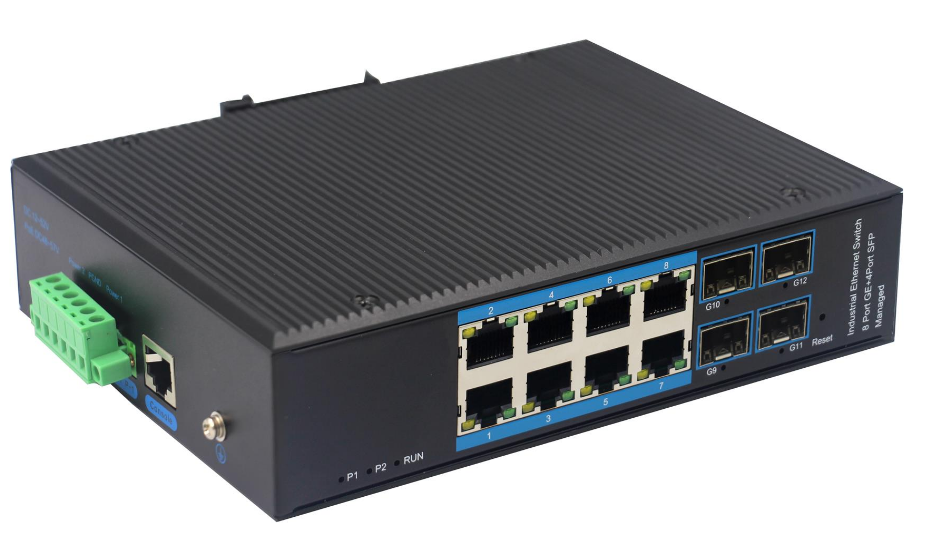
Price 32750.0 INR / Piece
Minimum Order Quantity : 1 Piece
Color : Black/Grey
Product Type : Managed Industrial PoE Switch
Material : Metal (Industrialgrade steel) enclosure
Weight : Approx. 1.2 kg
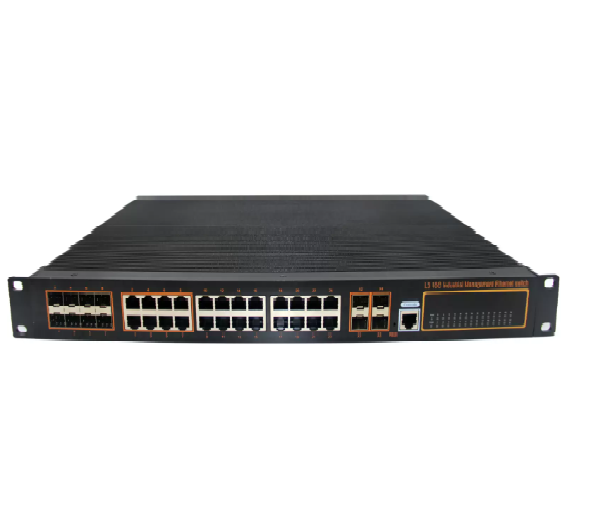
Price 95000.0 INR / Piece
Minimum Order Quantity : 1 Piece
Color : Black
Product Type : Managed Gigabit Ethernet Switch
Material : Metal Enclosure (19inch 1U rackmount steel)
Weight : Approximately 4.5 kg
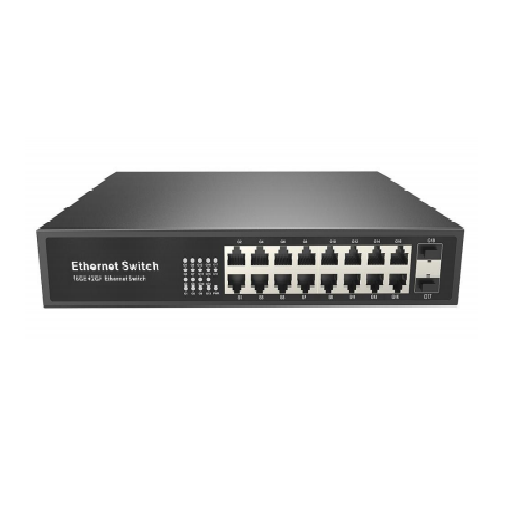
Price 7750.0 INR / Piece
Minimum Order Quantity : 1 Piece
Color : Black
Product Type : 16Port Gigabit 2SFP Ethernet Switch
Material : Metal housing
Weight : 3.2 kg


 Send Inquiry



 Send Inquiry
 Send Inquiry
 Send SMS
 Call Me Free