4G LTE device with Modbus About
Supply Voltage 11-36 V DC
Max Supply Voltage 36 V DC
Load Dump Protection 12 V
Reverse Polarity Protection 0 to -36 V DC
Max Operating Current <100 mA
Peak Operating Current 2A @network activities
Cellular 2G Quad-band GSM 850 / 900 / 1800 / 1900 MHz
Network Protocol Http, Mqtt, TCP IP
RS232/485 1 (RS232)
Counter Input (0-1000 Hz) NA
Hour Meter NA
GNSS Antenna NA
Cellular Antenna External GSM
SIM Normal (1)
Memory 200 records @ 1min frequency
Versatile Connectivity for Industrial AutomationThis device integrates 4G LTE, Ethernet, and serial port options (RS485/RS232), supporting various industrial communication protocols including Modbus RTU and Modbus TCP. It ensures reliable data transmission in challenging environments, thanks to 3G/2G fallback and advanced ARM Cortex-A7 processing capabilities. Suitable for remote and demanding operations, it boosts automation efficiency and reduces network downtime.
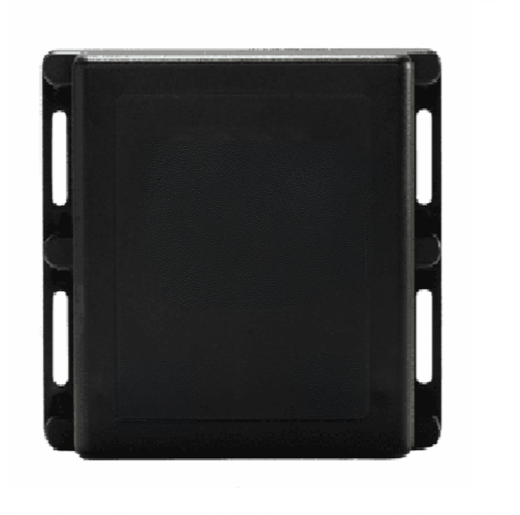
Robust Design and Flexible Installation OptionsHoused in an industrial-grade metal enclosure, the device can endure harsh conditions and fluctuating temperatures. The compact 110mm x 90mm x 26mm design enables easy installation via DIN-Rail or wall mount. Detachable SMA antennas and LED indicators offer streamlined network setup and real-time status monitoring for maximum convenience and durability.
FAQ's of 4G LTE device with Modbus:
Q: How is the 4G LTE device installed and what mounting options are available?
A: The device can be installed easily using DIN-Rail or wall mounting options, accommodating various industrial setups. Simply secure the enclosure using the appropriate mounting hardware and connect power, antennas, and data interfaces as required.
Q: What are the main benefits of Modbus RTU and Modbus TCP support in this device?
A: Modbus RTU and Modbus TCP support enable integration with a wide range of industrial equipment, allowing for efficient, standardized communication across automation networks. This enhances interoperability and simplifies remote monitoring and control.
Q: When should I use the RS485 or RS232 serial ports?
A: RS485 is ideal for longer-distance, multi-device networks, while RS232 is best suited for short-distance, point-to-point connections. Both ports are configurable, providing flexible options for different types of industrial communication requirements.
Q: Where can this device be effectively deployed in industrial environments?
A: The robust design and wide operating temperature range (-20C to +60C) make it suitable for deployment in factories, automation control panels, remote monitoring stations, and similar harsh industrial settings.
Q: What is the process for setting up network connectivity on this device?
A: Insert either a standard or micro SIM into the slot, attach the detachable SMA antennas, and connect the Ethernet or serial ports as needed. Configuration is managed via the embedded Linux OS, with LED indicators assisting in confirming successful power, network, and data connections.
Q: What connectivity options are available and how do they enhance usage?
A: The device supports 4G LTE, Ethernet (10/100Mbps), RS485/RS232 serial connections, and optional WiFi (on request), offering versatile integration with various industrial networks and ensuring robust data transmission in different field applications.
Q: Does the device offer any warranty and what is covered?
A: Yes, the device comes with a standard 1-year warranty from the manufacturer, covering defects in materials and workmanship under normal industrial usage.






 Send Inquiry



 Send Inquiry
 Send Inquiry
 Send SMS